


While watching Train Dreams, a film I love, one line stayed with me:
“A dead tree can be as important as a living one.”
It is a simple observation, but it challenges how we often think about landscapes. We tend to value trees while they are growing, flowering and producing leaves. Once a tree dies, the instinct is often to remove it straight away.
- It looks untidy.
- It feels unsafe.
- It appears to have lost its purpose.
But in ecological terms, a dead tree may be entering one of the most valuable stages of its life.
Life after death
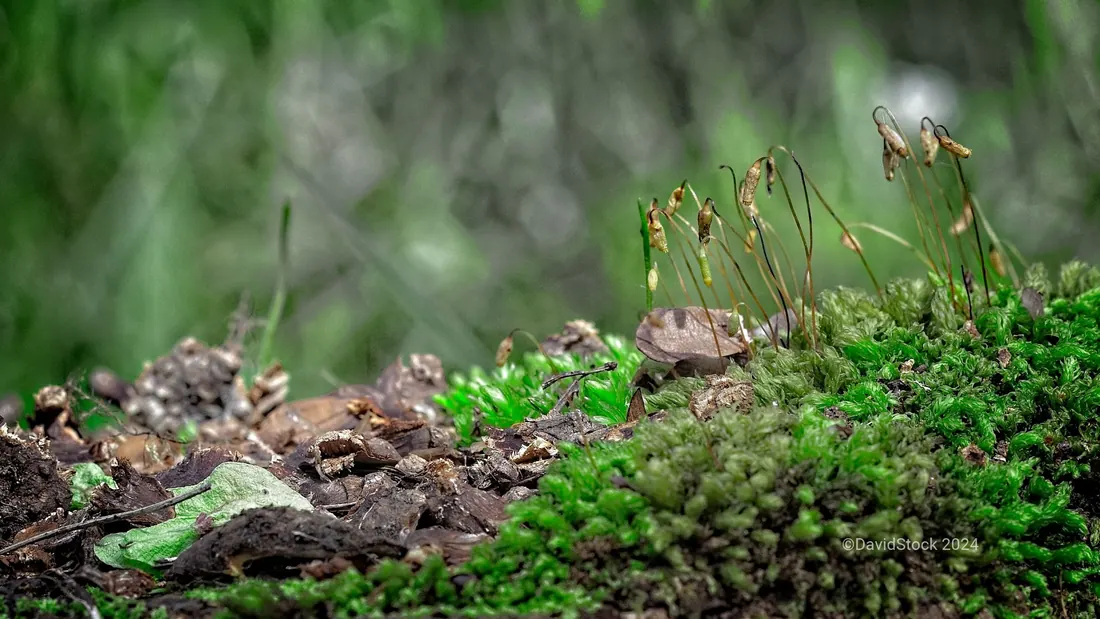
Dead and decaying wood supports an extraordinary range of life. Fungi begin breaking the timber down. Beetles and other insects move into cracks beneath the bark. Birds search for food or make nesting holes, and bats may use cavities for shelter.
As the wood slowly decomposes, nutrients return to the soil and support the next generation of plants. The tree may no longer be growing, but it is still contributing to the landscape. It has simply taken on a different role.
Challenging the perfect garden
Modern gardens can become too controlled. Every fallen branch is removed. Every dying stem is cut back. Every imperfect corner is tidied before nature has the chance to use it.
A healthy garden does not need to look neglected, but it should leave space for natural processes. That might mean:
- Keeping part of a dead tree as a standing habitat pole
- Using fallen trunks as sculptural features
- Building log piles within planting areas
- Leaving smaller branches beneath hedges
- Letting selected plants stand through winter
These features can become intentional parts of the design rather than things hidden at the back of the garden.

Deadwood as a design material
Deadwood also carries visual character. A weathered trunk can bring texture, height and contrast to soft planting, while moss, lichen and climbing plants gradually transform its surface.
Unlike a newly bought ornament, it already belongs to the place. It holds the story of the landscape.
In some gardens, the remains of a tree might become a seat, a path edge, a habitat wall or a focal point. In others, the best approach may be to leave the timber where it falls.
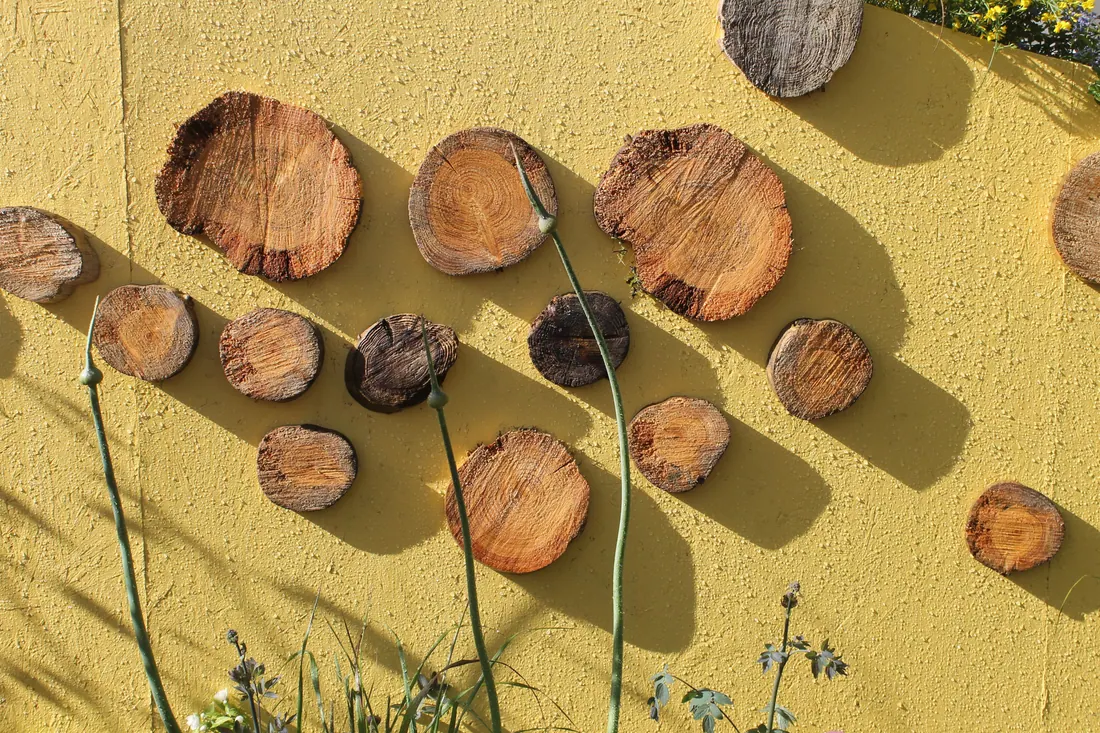
The important question is not always “How quickly can we remove this?” Sometimes it should be “What could this become?”
Safety still matters
Not every dead tree can stay untouched. Trees close to homes, roads, paths or places where people gather should be assessed by a qualified arborist. Dangerous branches may need to come off, and unstable trees may need to be reduced in height.
But removal does not always mean taking everything away. A tree can often be made safe while keeping part of the trunk for wildlife, and larger sections can be moved into planting beds or quieter corners of the garden. That gives you a balance of safety, design and ecological value.
Designing for the full life of a landscape
Gardens are not static compositions. They grow, age, decline and regenerate, and good design should make room for every one of those stages. At Studio Stour, I believe landscapes become richer when we work with natural processes rather than constantly trying to erase them.
A dead tree is not necessarily a failure.
- It can be habitat.
- It can be sculpture.
- It can be history.
- It can be the beginning of something else.
Sometimes the most sustainable design decision is not to add something new, but to recognise the value of what is already there.
Filed under Project journal on 22 July 2026